
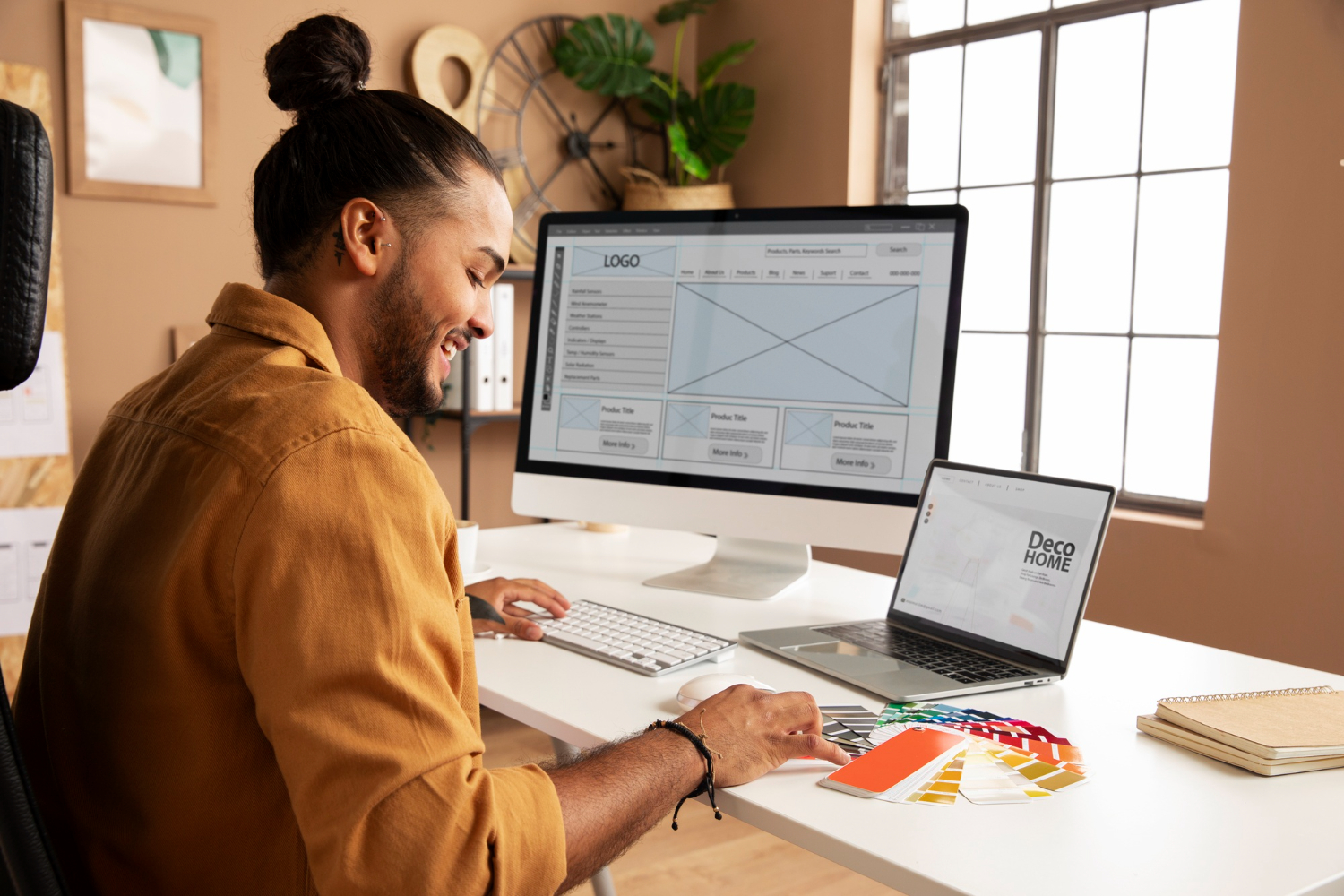
Turn Your First Meeting Into a Smart Investment
Choosing a web design agency in Sydney for a major site rebuild is a big call. You are putting your brand, revenue and internal reputation on the line, and a quick free chat is not enough to derisk that decision.
Traditional chemistry meetings stay high level. You get some nice slides, a rough idea of budget and a few promises about timelines. What you do not get is clarity on scope, who does what, how decisions will be made or how the teams will work together when things get busy. That is where projects slip, budgets creep and trust starts to crack.
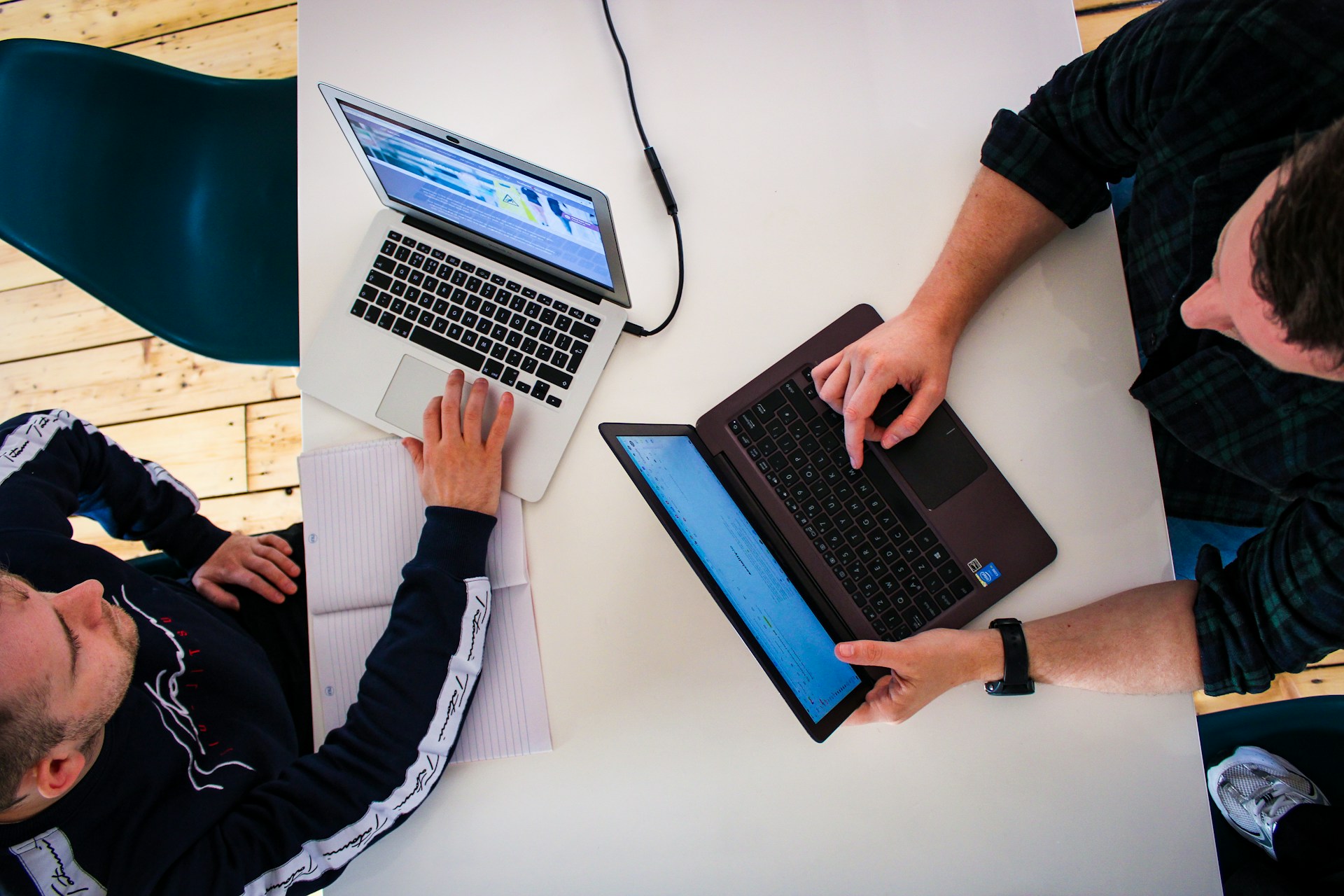
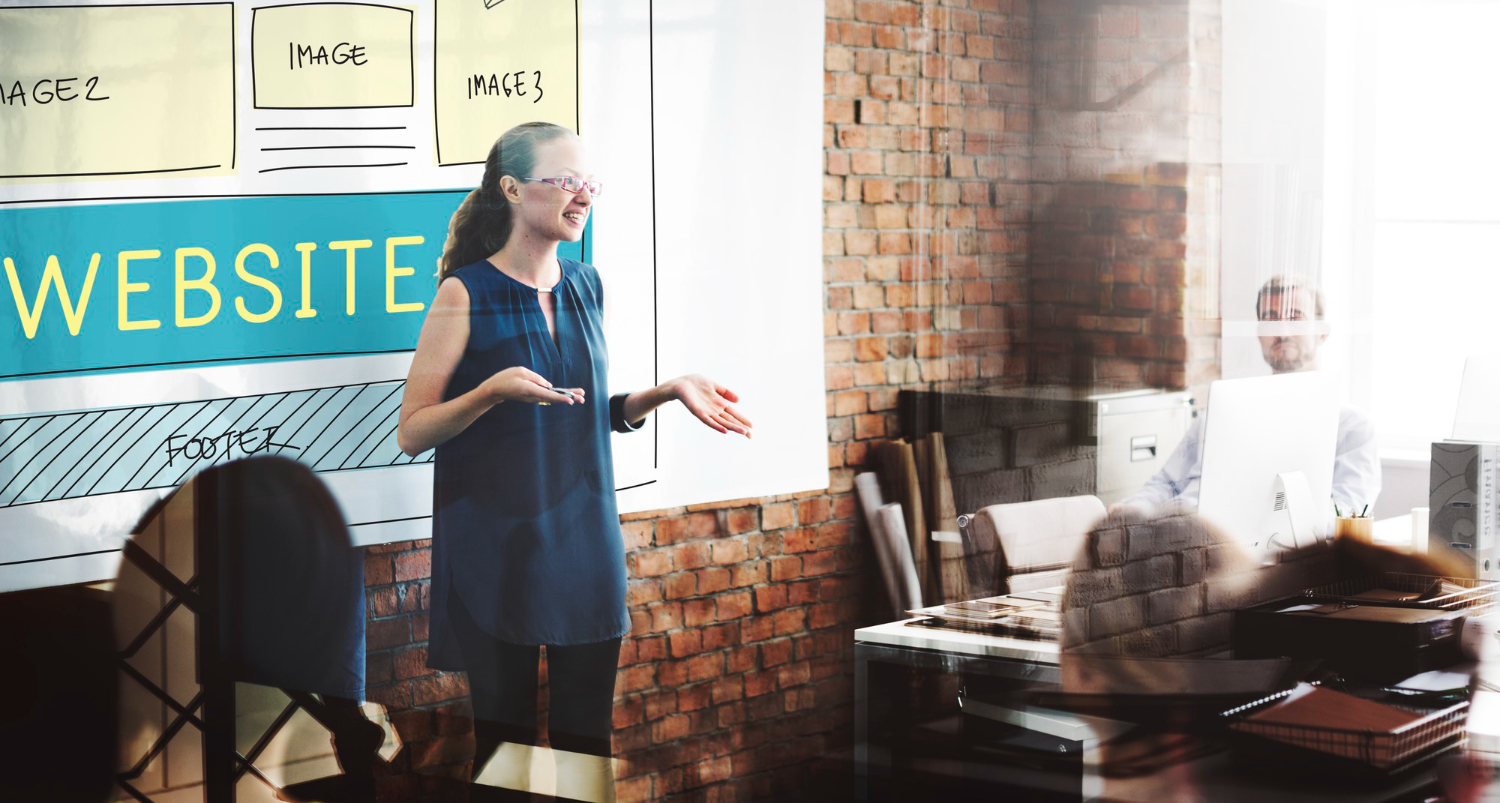
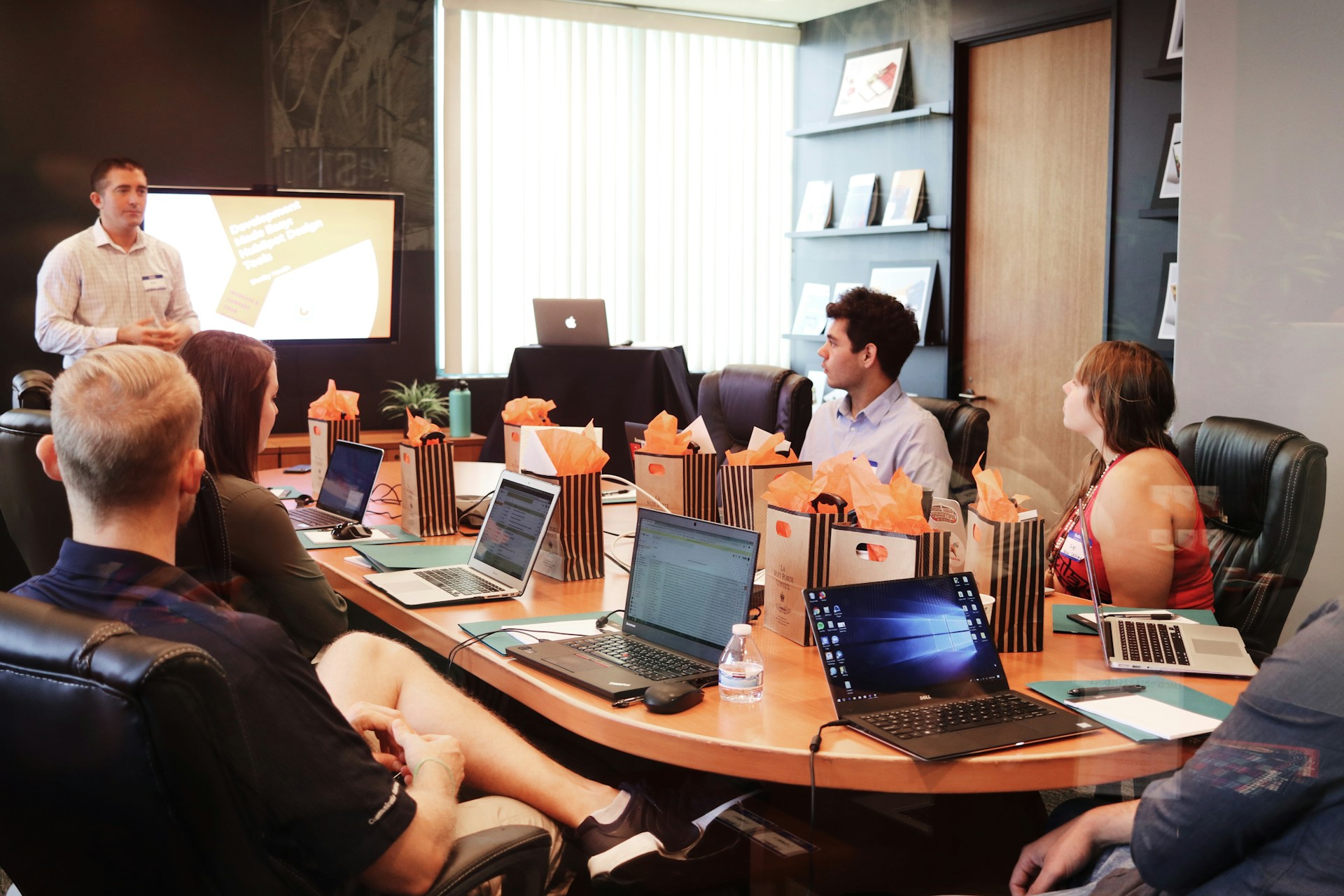
A structured, paid working session flips that pattern. Instead of a loose introduction, you get a focused, facilitated workshop with a clear agenda, defined outcomes and real artefacts you can keep. Both sides are there to do actual work, not just sell or be sold to.
When we run paid discovery, we treat it as the first small project together. It is a way to stress test fit, unpack constraints, align on priorities and see how people behave under time pressure. Throughout this article we will cover what should be in scope, who needs to join, which artefacts you should expect and how to agree on decision criteria before anyone signs a full engagement.
Why Paid Discovery Outperforms Free Scoping Calls
A rushed free scoping call usually plays out the same way. You skim through your brief, the agency asks a couple of questions, then offers a loose ballpark and a few best guesses about timelines and platforms. Everyone leaves with assumptions and a sense that details will get sorted out later.
A paid working session is different. It gives you time and space to explore what actually matters, using your real data and context. Instead of opinions and generic advice, you get focused recommendations that connect to your business goals and customers.
Here is what a proper discovery session tends to unlock compared to a free chat:
- Deeper understanding of business drivers and KPIs, not just design wishes
- Early validation of technical feasibility, integrations and constraints
- Clearer view of user needs based on current analytics and behaviour
- Priority calls on features, content and SEO that match your growth plans
Because you are both investing in the session, tyre kickers tend to self select out. Brands that commit to paid discovery are usually serious about quality and long term growth, not quick cosmetic changes. Agencies that offer it are confident enough in their approach to let you see how they think before a big commitment.
For CMOs and Heads of Digital under pressure to prove ROI, this approach also creates documentation you can stand behind. You leave with structured notes, early roadmaps and clear reasoning you can share with finance, sales and leadership when you need buy in and budget certainty for future planning.
Designing the Perfect Working Session for Your Brand
For most established brands, the sweet spot is a single 3 to 4 hour workshop, either in person in Sydney or run as a hybrid with key people online. It is long enough to go deep, short enough to fit around busy trading periods and internal meetings.
A typical agenda might include:
- Business goals and success metrics, including how the website supports revenue
- Audience, segments and key customer journeys across channels
- Review of your current site, analytics and key funnels
- Platform and tech constraints, including internal IT requirements
- Future growth opportunities across SEO, content and paid media
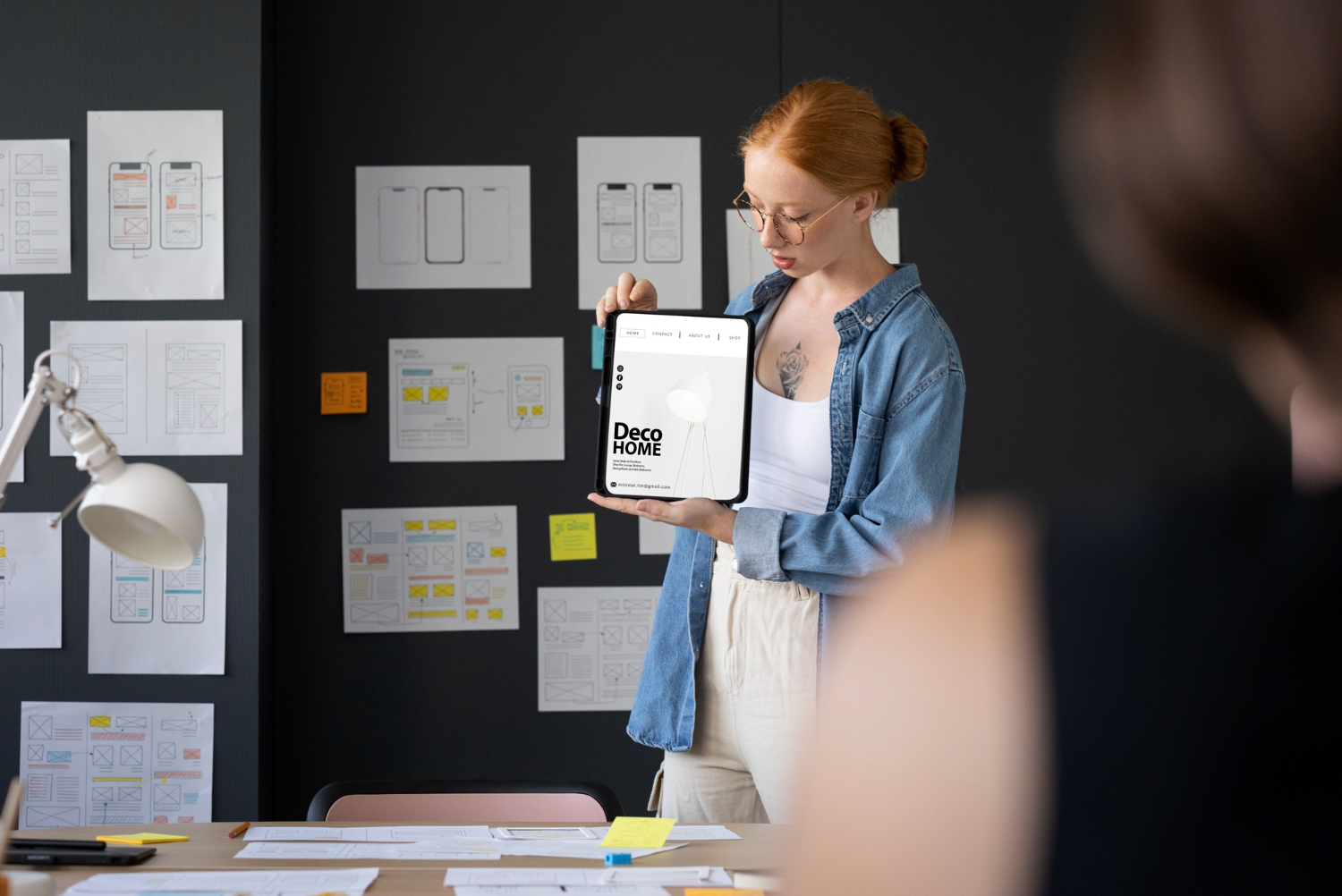
A premium agency will tailor the format to your team. That could mean sticky note exercises to sharpen brand positioning, quick prioritisation grids to sort must have features from nice to haves or live audits of key pages while looking at your actual analytics.
To keep the session strategic, preparation matters. We usually share:
- A short questionnaire on goals, challenges and internal politics
- A checklist of data and logins to provide, like analytics, ad accounts and CRM access
- A simple agenda explaining where each stakeholder will be asked to contribute
When everyone understands the purpose and comes ready with context, you avoid getting stuck in tiny design debates or technical rabbit holes. The focus stays on outcomes and clarity.
Getting the Right Stakeholders in the Room
The quality of a working session is only as strong as the mix of people in it. If you want decisions that actually stick, the right roles need to be present, not just informed later.
Non negotiable voices usually include:
- A decision maker with budget and sign off authority
- The brand or marketing owner who lives and breathes the story
- Someone from sales or customer service who hears customer pain every day
- A technical representative, often from IT or product, who understands systems
When one of these groups is missing, you feel it later. Sites get designed without real sales input. CMS options clash with security policies. Content demands land on teams with no capacity. Those gaps cause delays, surprise costs and frustrated internal conversations that could have been avoided.
An experienced web design agency in Sydney will act as translator between marketing, sales and IT so no one feels sidelined or lost in jargon. A good facilitator will:
- Keep technical discussions grounded in business value
- Ask sales to sanity check proposed user flows
- Press for clarity on internal approval steps and governance
Because diaries fill up quickly, especially in busy seasons, plan ahead. Confirm availability weeks out, make it clear who is expected to decide on what and agree upfront how final decisions will be made if there is disagreement.
Artefacts You Should Walk Away with Every Time
A paid working session is not just a long meeting. You should walk away with concrete artefacts that make your next decisions faster and clearer.
At a minimum, expect:
A validated problem statement and project objectives
- Defined success metrics and how they will be tracked
- User personas or segments grounded in your current audience
- A prioritised feature list, split into phases if needed
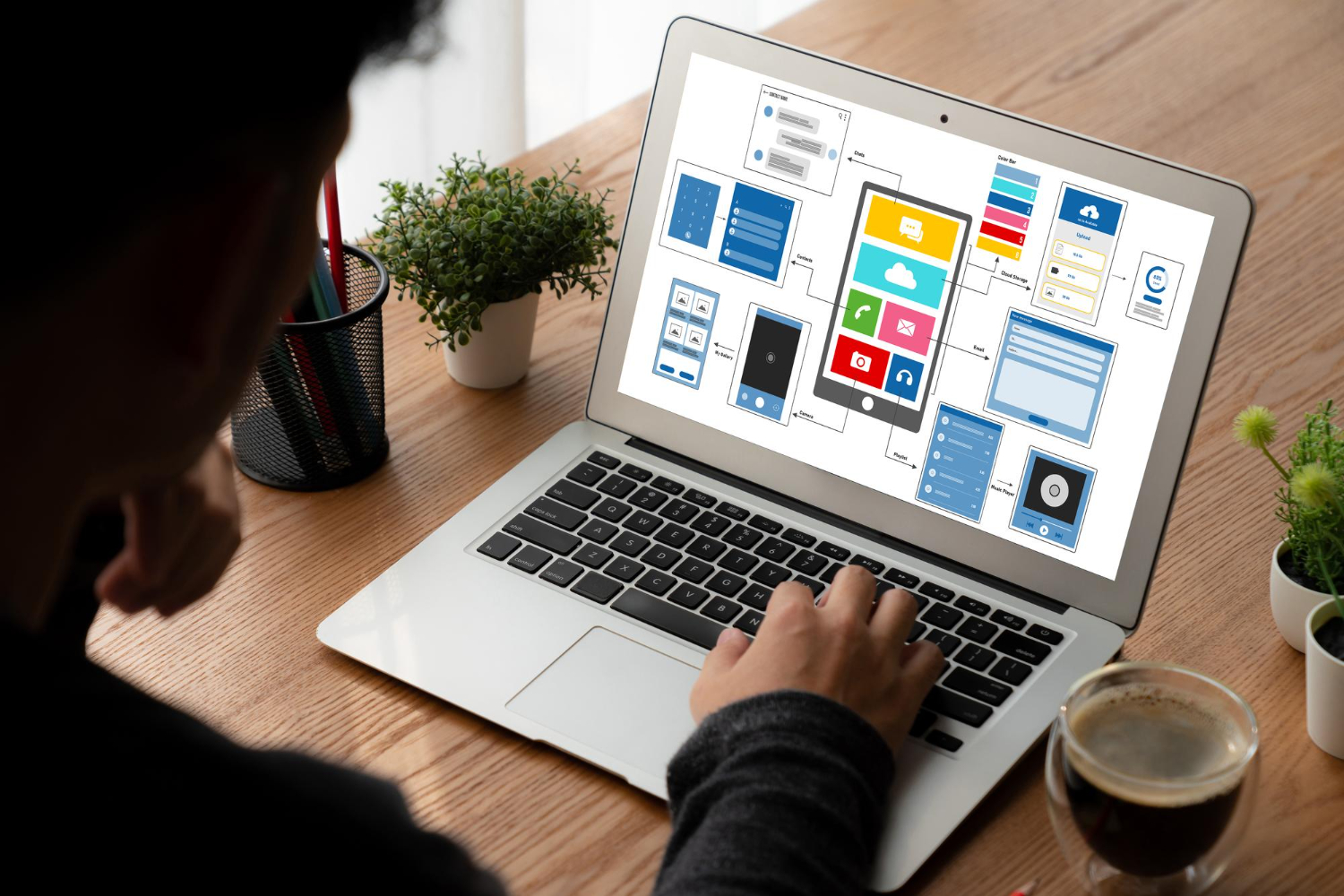
- A high level site architecture or sitemap
On top of that, higher value sessions may also deliver:
- Experience maps of key customer journeys across channels
- Example content outlines for core pages
- Initial SEO notes on opportunities and technical risks
- A simple log of risks, assumptions and open questions
These outputs are powerful for comparing agencies. If each agency runs a similar style of working session, you can see who really understood your brand, who picked up the same constraints and who offered clearer thinking about tradeoffs.
They also become internal tools. Product, marketing and leadership can refer back to them when scoping future phases, checking whether ideas stay true to what was agreed during discovery.
Decision Criteria That Derisk Your Agency Choice
Before you go into the workshop, decide how you will judge fit. If you leave it to gut feel after the session, you risk getting swayed by presentation style or price alone.
Helpful criteria often include:
- Strategic strength, how clearly the agency connects design, SEO and growth
- Understanding of your brand, numbers and industry nuances
- Communication style, clarity, honesty about tradeoffs and unknowns
- Alignment on process and ways of working, including how you will handle changes
After the session, score each criterion while it is still fresh. Review how well the agency answered hard questions, how they handled constraints and how realistic their early recommendations felt.
The artefacts from discovery should then lead cleanly into a full proposal. That proposal should reflect what you agreed: detailed scope, realistic milestones, clear resourcing and a measurement framework that tracks back to the success metrics defined in the workshop.
To avoid analysis paralysis, set a decision date upfront and agree internally how to weigh each factor. Many brands choose to weight strategy and process above pure visual design, because they know good visuals can only shine when the structure and growth plan are solid.
Get Started With Your Project Today
If you are ready to turn your digital ideas into a site that actually works for your brand, our team at Somma is here to help. Explore what we have delivered for other clients as a trusted web design agency in Sydney and imagine what is possible for your business. When you are ready to chat about your goals, simply contact us and we will walk you through the next steps.












.jpg)












.jpg)






.jpg)





.png)
.png)